

Changes in flavour trends since January?
The flavour trends for March, February, and January 2024 showcase a progression towards more complex and refined taste profiles, reflecting seasonal shifts and consumer demand for unique culinary experiences.
January 2024: The beginning of the year focused on comfort and warmth, with flavour trends emphasizing rich, indulgent tastes such as caramelized ingredients, spiced fruit combinations, and decadent chocolate variations. These flavours catered to a desire for cozy and comforting food experiences during the colder months.
February 2024: As the month of love, February saw a rise in floral and exotic fruit flavours, merging sweetness with sophistication. The use of rose, lavender, and hibiscus was notable, often paired with tropical fruits like passionfruit, mango, and guava to create vibrant, romantic, and uplifting profiles. This trend also hinted at an anticipation for spring, with lighter, more refreshing flavours gaining popularity.
March 2024: March brought a clear shift towards freshness and renewal, aligning with the onset of spring. The emphasis was on green, herbaceous, and botanical flavors, including basil, mint, cilantro, and dill, often combined with citrus elements to enhance freshness. This month also highlighted the use of floral notes in a more nuanced way, integrating them into complex flavor pairings that balance sweetness with earthy or spicy undertones.
The transition from the indulgent and comforting flavors of January to the sophisticated and exotic profiles of February, and finally to the fresh, green, and herbaceous notes of March, reflects a natural evolution in consumer preferences. As the year progresses, there’s a move towards lighter, more refreshing flavours, indicative of the changing seasons and the ongoing search for new and exciting taste experiences.
March 2024 Flavour Trends
March 2024 flavor trends highlight a complex interplay of cultural exploration, nostalgic comfort, health consciousness, and ethical considerations, all underpinned by the transformative impact of technology and digital connectivity. These trends reflect a global palate that is increasingly adventurous, discerning, and aligned with broader societal values, pointing towards a future where food is not only about taste but also about experience, wellness, and sustainability. These trends, drawing from a plethora of cultural influences and technological advancements, can be broadly categorized into the following themes:
Global Exploration and Ethnic Influences: There’s a marked interest in global flavors, with a particular focus on sour, tangy, and umami-rich profiles. Ingredients like tamarind, calamansi, and diverse Asian influences such as black sugar and yuzu are becoming more prominent. This trend extends to meats and alcoholic beverages, where there’s a growing appreciation for ethnic varieties and innovative flavors.
Nostalgia with a Twist: Consumers are seeking comfort in nostalgic flavors but with modern reinterpretations. This is visible in the resurgence of childhood favorites, revamped with sophisticated and health-conscious ingredients, and in the embrace of traditional dishes infused with novel flavor combinations.
Health and Wellness: There’s a notable shift towards ingredients and products that offer health benefits, including plant-based and functional additives. This trend also reflects in the popularity of floral and botanical flavors, perceived as both healthful and sustainable.Personalization and Convenience: Customized food experiences are in demand, facilitated by technological innovations and services that cater to individual tastes and lifestyle needs. Convenience continues to be a key factor, with pre-prepared meats and easy-to-prepare meal options gaining traction.
Sustainability and Ethical Consumption: Consumers are increasingly conscious of the environmental and ethical implications of their food choices, favoring sustainable, locally-sourced, and ethically-produced products.
Sensory Innovation and Experiential Dining: There’s a push towards creating unique sensory experiences, whether through innovative product formats that change texture with body heat, the introduction of fantasy and emotionally-charged flavors, or the fusion of culinary and cocktail artistry.
Digital Influence and Social Media: The impact of digital platforms in shaping consumer preferences is undeniable, with trends like the cilantro craze in China demonstrating the power of social media in driving demand for specific flavors and products.
Adventurous and Bold Flavors: From savory cocktails to the use of exotic and spicy ingredients in traditional and new product categories, consumers are seeking out bold and adventurous taste profiles.
These trends indicate a complex interplay between tradition and innovation, personal health and global sustainability, and individual preferences and community influences. As the food and beverage industry continues to adapt to these evolving trends, it’s clear that the future of flavor is both diverse and richly nuanced, catering to a global palate that values both the familiar and the novel.
March 2024 Food Trends
March 2024 sees the global food and beverage industry navigating through evolving consumer preferences shaped by health consciousness, technological advancements, and a quest for personalized culinary experiences. Mintel identifies key trends such as the demand for transparent processing information, a redefined approach to healthy aging, and the leveraging of technology for enhanced convenience in meal preparation and shopping. These insights point towards a consumer base that values health, pleasure, and convenience, setting the stage for brands to innovate within these realms.
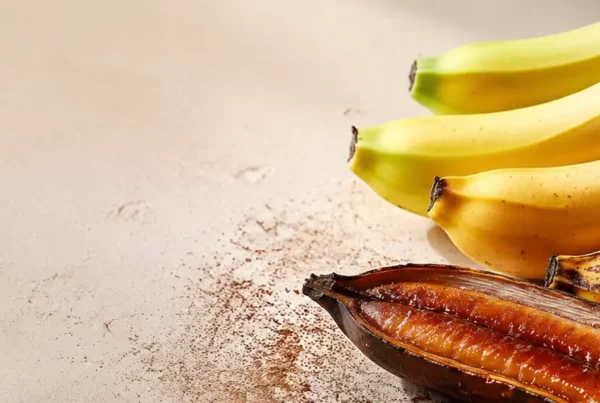
At the United Natural Foods Inc. Spring and Summer Selling Show, the emergence of banana water as a potential successor to coconut water underscores the continuous search for novel hydration options. The event showcased a diverse range of products, from festive snacks and innovative cheese products to breakfast solutions and beef innovations, indicating a vibrant and dynamic marketplace attentive to evolving tastes and dietary trends.
The industry’s focus on texture as a pivotal component of the culinary experience highlights its significance in consumer satisfaction. Advanced texturing techniques and ingredients are becoming crucial in creating distinctive and appealing products, emphasizing the role of texture in enhancing sensory perception. Concurrently, Technomic’s menu trends report showcases the inventive incorporation of ingredients like dandelion, salsa macha, and charcoal in Canadian menus, reflecting a growing interest in unique, health-focused, and visually striking culinary elements.
Research collaborations and market studies reveal a consumer inclination towards snacks and meals that support mental well-being, with an emphasis on products that offer relaxation and mood improvement. This aligns with broader trends of mindful caffeine consumption, global flavor exploration, and a rise in plant-based and functional foods, as companies strive to cater to a health-aware and adventurous consumer base.
Finally, reports from industry leaders like TraceGains and Unilever signal a robust investment in new product development and a keen interest in plant-based proteins and bold flavors, especially among younger demographics. The culinary landscape of 2024 is marked by a blend of innovation, health orientation, and sensory richness, with a clear direction towards personalized, technologically-enabled, and environmentally conscious food choices.
March 2024 Beverage Trends
March 2024 is witnessing innovative shifts in the beverage scene, from the resurgence of gin and the proliferation of craft sodas to the rise of functional drinks and a growing sobriety culture. Here’s a brief overview:
Savory Cocktails: Bars across the United States are embracing meal-inspired flavors, introducing savory elements into cocktails. From Greek yogurt and cucumber in Charleston to Scotch fat-washed in peanut butter in Chicago, these drinks exemplify the trend towards bold, unconventional concoctions that challenge the traditional cocktail paradigm.
Specialty Beverages: The specialty beverage industry is flourishing, driven by a desire for functional wellness, sustainability, and global flavors. Innovations include functional beverages infused with adaptogens, sustainable sourcing practices, and artisanal cocktails that blend coffee, tea, and craft sodas into creative mixes. This movement reflects a broader consumer interest in health benefits and environmental responsibility alongside culinary exploration.
CBD Beverages: The CBD-infused product market, including beverages, faces challenges due to regulatory hurdles and consumer confusion. Despite initial growth, companies like Vybes struggle with distribution limitations and a lack of clear federal guidelines, highlighting the complexities of navigating the CBD industry.
Dirty Sodas: Popularized in Utah and fueled by TikTok, the “dirty soda” trend showcases non-alcoholic mocktails that combine soda with creamy and fruity additives, appealing to a young, experimental audience. This trend, which blends traditional soda with innovative, creamy elements, indicates a shift towards novel beverage experiences.
Functional Beverages: The market is expanding with drinks designed for wellness goals, offering hydration, reduced sugar, mental health support, and more. This includes hydration drinks enriched with electrolytes and beverages containing ingredients that support mental cognition and stress management, catering to health-conscious consumers.
Non-Alcohol Sector: Driven by health, wellness, and social experiences, the non-alcohol beverage category is growing. Brands are tapping into the sober curious movement with exotic flavors and health benefits, attracting younger generations seeking alcohol alternatives.
Craft Sodas and Innovation: Amid declining sales of traditional carbonated soft drinks, the industry is seeing a surge in craft sodas and health-oriented beverages. Innovations in flavors, reduced sugar content, and the incorporation of functional ingredients reflect changing consumer preferences towards healthier, more flavorful options.
Gin’s Popularity: Gin is experiencing a renaissance in the U.S., with an increased interest in craft gins and unique expressions. This revival is attributed to the versatility of gin, the craft spirits movement, and a consumer penchant for premium drinking experiences.
Beverage Trends and Insights: Emerging trends highlight a consumer focus on health, functionality, innovative proteins, local flavors, and sustainable options. The industry is responding with beverages that offer nutritional benefits, cater to cultural diversity, and prioritize environmental sustainability.
Cocktail Culture Evolution: The Bacardi Limited 2024 Cocktail Trends Report emphasizes the role of technology, premiumization, sustainability, and destination-driven experiences in shaping future cocktail offerings. These trends suggest a dynamic future for the beverage industry, driven by a desire for meaningful, quality, and environmentally responsible drinking experiences.
Overall, the beverage trends of March 2024 illustrate a dynamic industry at the intersection of health, innovation, and cultural exploration, signaling a continued evolution of consumer preferences and market offerings.
The Review of March 2024 Flavor Trends pdf is composed of full summaries of key articles published in March. It is no longer available for download.