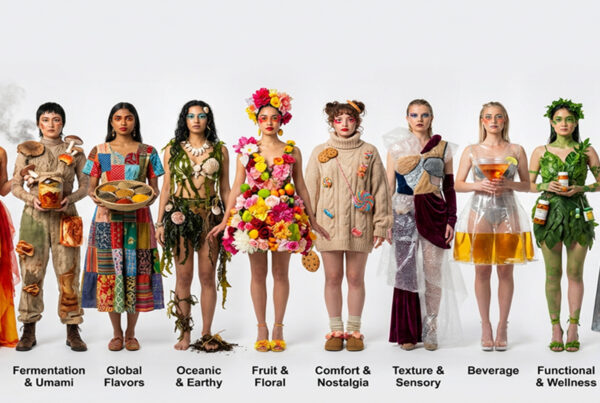
Introduction to the August 2024 Flavour Trends Review
The flavor landscape in August 2024 has been marked by a dynamic blend of nostalgia, bold innovation, and a heightened focus on health and sustainability. As consumers seek comfort in familiar flavors while also exploring new, adventurous tastes, the food and beverage industry has responded with diverse offerings that cater to a wide array of preferences. This month’s review highlights several key trends shaping the market, including the resurgence of nostalgic flavors that evoke childhood memories, the rise of sweet and spicy combinations, and a growing demand for flavors that provide functional health benefits. Additionally, the influence of global cuisines continues to expand, with Southeast Asian, Middle Eastern, and Mediterranean flavors gaining prominence.
To adapt to the evolving needs of our audience, we are experimenting with a new format for this review. The online content available is a curated snippet of the full report, designed to provide a quick overview and highlight the most significant trends. However, the complete, detailed document is reserved for a select few, ensuring our most comprehensive insights are shared strategically. This new approach aims to offer a more accessible entry point into our research while maintaining the depth and exclusivity of our full analysis. This comprehensive overview captures the essence of August’s flavor trends, providing insights into the ingredients, combinations, and consumer behaviors driving the future of food and beverages.
Top 10 Most Mentioned Flavours of August 2024:
- Pumpkin Spice
- Salted Caramel
- Cinnamon
- Vanilla
- Maple
- Apple
- Chocolate
- Honey
- Strawberry
- Lemon

August 2024 Flavour Trends
The flavor trends for 2024 reflect a dynamic shift in consumer preferences, driven by a desire for both familiar comforts and bold, innovative experiences. As the food and beverage industry evolves, consumers are increasingly looking for flavors that offer more than just taste—they seek emotional connections, health benefits, and sustainable choices. From nostalgic flavors that evoke childhood memories to unique combinations that push the boundaries of traditional cuisine, the trends for this year showcase a growing interest in diverse, global influences and functional ingredients. With a focus on innovation and customization, foodservice operators and brands are adapting to meet these changing tastes, creating products that not only satisfy the palate but also align with broader values of health and sustainability. This exploration of 2024’s flavor trends offers a comprehensive overview of the key ingredients, combinations, and consumer behaviors that are shaping the future of food & beverages:
Sweet and Spicy Combinations (Swicy)
- Trend: Combining sweet and spicy elements continues to grow in popularity, appealing to consumers who enjoy a balance of heat and sweetness.
- Examples: Products like Dolfin’s chocolate with peppercorn and Bake’s mango chili macarons exemplify this trend, providing a unique taste experience that balances contrasting flavors.
- Significance: This trend reflects a desire for bold, adventurous flavors that provide a sensory experience beyond traditional tastes.
Nostalgic Flavors
- Trend: Nostalgic flavors that evoke cultural and childhood memories are increasingly in demand as consumers seek comfort and familiarity in their food choices.
- Examples: Popular nostalgic flavors include matcha tea, Desi spices, and sour candies, which tap into a longing for familiar and comforting tastes from the past.
- Significance: Nostalgic flavors cater to a growing consumer desire for foods that provide emotional comfort and a sense of connection to simpler times.
Functional and Health-Oriented Flavors
- Trend: There is a rising demand for flavors that offer additional health benefits, with an emphasis on ingredients that provide protein, fiber, antioxidants, and other functional properties.
- Examples: Coffee-inspired candies provide an energy boost while satisfying sweet cravings, blending function with indulgence.
- Significance: This trend aligns with the increasing focus on health and wellness, with consumers seeking foods that contribute positively to their overall health while still being enjoyable.
Natural and Clean Label Flavors
- Trend: Consumers are increasingly seeking flavors made with natural ingredients, reflecting a broader preference for clean labels and healthier options.
- Examples: Fruity and floral flavors created from natural sources are becoming more prevalent, indicating a shift towards more transparent and minimally processed ingredients.
- Significance: The focus on natural flavors underscores a consumer demand for authenticity and transparency in food sourcing and production.
Indulgent Flavors
- Trend: Rich, complex flavors that provide a sense of luxury and indulgence continue to attract consumers who are looking for more decadent food experiences.
- Examples: Flavors such as chocolate, caramel, and those made with premium ingredients like champagne and gin offer a luxurious taste experience.
- Significance: Indulgent flavors cater to consumers who view food as a form of self-reward and seek out rich, satisfying taste profiles.
Creative and Unusual Flavor Combinations
- Trend: There is a growing trend towards experimenting with unconventional food pairings, driven by a desire for novelty and unique taste experiences.
- Examples: Unique combinations such as avocado with chocolate, grilled watermelon, peanut butter with pickles, and French fries with ice cream offer new and surprising flavors that challenge traditional taste boundaries.
- Significance: This trend appeals to adventurous eaters who enjoy exploring new culinary experiences and are open to trying unexpected flavor pairings.
Global and Regional Flavors
- Trend: Global flavors, especially those from Southeast Asia and the Middle East, are becoming more popular, with a strong interest in Thai, Korean, and regional barbecue dishes.
- Examples: Dishes like Korean-fried chicken and globally influenced barbecue variations are gaining traction, reflecting a trend towards more diverse and adventurous palates.
- Significance: This trend highlights the growing influence of global cuisines in shaping consumer preferences and the desire for flavors that offer a blend of familiarity and exotic appeal.
Seasonal and Alternative Fall Flavors
- Trend: While pumpkin spice has traditionally dominated fall flavors, there is a shift towards alternative fall tastes like cinnamon, salted caramel, and candy apple.
- Examples: A survey found that 58% of respondents believe there are better fall flavors than pumpkin spice, with new preferences emerging for other comforting autumnal tastes.
- Significance: This shift indicates a broadening of flavor options for seasonal menus, catering to evolving consumer tastes and preferences.
Sustainability and Upcycled Ingredients
- Trend: There is a strong emphasis on sustainability in flavor development, focusing on using natural ingredients and reducing food waste through upcycling.
- Examples: Companies are repurposing byproducts such as citrus peels and sugar beet pulp to create natural colorants and fibers, turning “wonky” fruits and vegetables into products like purees and juices.
- Significance: The trend towards sustainability reflects a growing consumer concern for environmental impact and a preference for brands that demonstrate eco-friendly practices.
Key Stats & Quotes:
Pumpkin Spice Popularity Shift: 58% of survey respondents believe there are better fall flavors than pumpkin spice, with cinnamon (39%), salted caramel (37%), and candy apple (36%) now being preferred
Flavored Oil Market Growth: The global oil market has seen a 4% increase in product launches and 8% growth in sales over the past three years, driven by diverse consumer preferences for flavors like chili, truffle, and lemon.
Southeast Asian Cuisine Popularity: Over 80% of consumers are open to trying new cuisines when dining out, with strong interest in Southeast Asian, Caribbean, and Greek foods.
Clean Label and Natural Ingredients Trend: “There’s been a significant trend in recent years around cleaner labels in terms of colours, flavours, and also preservative-free products,” said Angelique Schmidt, Development and Application Manager at Australian Bakels.
On Consumer Demand for Nostalgic Flavors: “There is a growing appeal for flavors that evoke cultural and childhood memories. Popular nostalgic flavors include matcha tea, Desi spices, and sour candies, which tap into consumers’ desire for familiar and comforting tastes”.
Sustainability and Upcycling Efforts: “Upcycling is a key theme with companies utilizing byproducts from other industries, such as juice production, to create new ingredients. For example, CP Kelco uses citrus peels for pectin and citrus fiber production, promoting a circular economy”.
On the Importance of Multi-Sensory Eating: “Consumers seek new taste and texture experiences, leading to innovations like freeze-dried fruit candy and popping boba in beverages, which provide a crispy, crumbly mouthfeel and intense flavor hits”.
Functional Food and Beverage Trends: “Innovations include antioxidant-rich snacks like beetroot bites, carrot cake energy balls, and sweet-potato curry-flavored bars. Consumers are moving towards adding beneficial elements to their diets such as foods that enhance immunity, mood, or digestive health rather than eliminating certain foods”.
August 2024 Food Trends
The food trends for 2024 reflect a dynamic shift in consumer preferences, driven by a desire for bold, innovative flavors, health-conscious choices, and unique culinary experiences. As the global palate becomes more adventurous, food and beverage operators are responding with a diverse range of offerings that cater to both traditional tastes and novel experiences. From globally inspired flavors to multi-textural experiences, the trends for this year highlight a growing demand for foods that are not only delicious but also align with values such as sustainability, health, and nostalgia. Here is a detailed overview of the key food trends for 2024, complete with examples that showcase how these trends are manifesting in the market.
Global Flavor Influences
- Trend: There is a growing appetite for flavors inspired by global cuisines, particularly from Southeast Asia, the Caribbean, and the Mediterranean. These flavors offer consumers a taste of international destinations and diverse culinary traditions.
- Examples: Dishes featuring flavors like tzatziki, masala, and honey butter are becoming popular. Korean-inspired flavors such as gochujang (a sweet and spicy Korean chili paste) and Middle Eastern shawarma spices are also gaining traction in new product launches and restaurant menus.
Spicy and Bold Flavors
- Trend: Consumers continue to gravitate towards spicy flavors that add heat and complexity to their meals. The appeal of bold flavors is driving innovation across various categories, from snacks to desserts.
- Examples: Habanero ginger blends and chocolate with chili are examples of products that combine heat with sweet or savory notes. These flavor combinations are increasingly seen in confections, ice creams, and even beverages like spicy margaritas and hot honey cocktails.
Sweet and Savory Combinations
- Trend: The fusion of sweet and savory flavors is becoming a popular way to create complex, multi-layered taste experiences. This trend is evident in both packaged goods and restaurant offerings.
- Examples: Products like salted caramel popcorn, honey butter chicken, and sweet potato fries with cinnamon sugar demonstrate this trend. Additionally, savory foods like bacon are being paired with sweet elements like maple syrup or brown sugar for a unique flavor twist(Food Trends August 2024).
Nostalgic and Comforting Flavors
- Trend: Nostalgic flavors that evoke memories of the past are in demand as consumers seek comfort and familiarity in their food choices. This trend spans both food and beverages, offering a sense of home and tradition.
- Examples: Flavors like Black Forest (chocolate with cherries) and peanut butter and jelly are making a comeback. Cereal-inspired flavors, such as Fruity Pebbles ice cream and Cinnamon Toast Crunch-flavored milk, tap into childhood favorites while offering a modern twist.
Health-Conscious and Functional Flavors
- Trend: Health-conscious consumers are seeking flavors that offer functional benefits, such as stress relief, cognitive support, or immune boosting properties. This trend aligns with the broader focus on wellness and clean eating.
- Examples: Ingredients like turmeric, matcha, and mushrooms are being highlighted for their health benefits. Products like mushroom-based snacks, matcha-flavored energy bars, and turmeric-infused teas are gaining popularity as functional foods that also taste good.
Indulgent and Premium Flavors
- Trend: Indulgent flavors that provide a luxurious eating experience continue to be popular, particularly in the dessert and premium snack categories.
- Examples: Flavors such as salted caramel, chocolate truffle, and champagne-infused desserts are appealing to consumers looking for a rich and decadent treat. Premium ice creams with flavors like dark chocolate sea salt and bourbon vanilla are also part of this trend.
Seasonal and Limited-Edition Flavors
- Trend: Seasonal flavors remain a strong trend, with limited-edition products being launched to capitalize on specific times of the year or holidays.
- Examples: Fall-themed flavors such as pumpkin spice, apple cinnamon, and gingerbread are popular, as are limited-edition products for holidays like Halloween (e.g., candy corn-flavored treats) and Christmas (e.g., peppermint bark).
Multi-Textural Flavor Experiences
- Trend: Consumers are increasingly seeking multi-textural eating experiences that offer a variety of sensations in a single bite. This trend enhances the sensory appeal of foods, making them more engaging.
- Examples: Products that combine creamy, crunchy, and chewy textures, such as layered parfaits, crunchy chocolate bars with a soft caramel center, and yogurt with granola clusters, are becoming more popular. Foods like bubble tea with chewy tapioca pearls and multi-layered cakes with different textures also reflect this trend.
The food trends for 2024 reveal a shift towards diverse, bold, and health-focused flavors, reflecting the evolving tastes and values of modern consumers. From nostalgic flavors that bring comfort to the exploration of global cuisines and innovative flavor combinations, the trends highlight a desire for both familiar and new experiences. Additionally, the focus on health-conscious and functional flavors, as well as sustainable and seasonal ingredients, demonstrates a growing awareness of the impact of food choices on personal well-being and the environment. As the industry continues to innovate, food and beverage operators are well-positioned to meet these dynamic consumer demands with creative and thoughtful offerings that delight the palate and satisfy the senses.
Top 10 foods mentioned in August 2024:
- Chicken Wings: Gaining popularity globally, especially in countries like Mexico, due to their versatility in flavoring and preparation methods, such as grilling, frying, or baking. Chicken wings are highlighted for their endless variety of flavors and their role in social gatherings and casual dining.
- Pad Thai: This dish, particularly its vegetable and chicken variants, is growing in popularity. It is noted for its versatility and customization options, and has seen significant growth in menus over the past year.
- Seafood: Featured as a trending category, especially in exotic and diverse dishes like seafood boils that include shrimp, crab, and lobster, reflecting an increasing interest in globally-inspired seafood options.
- Plant-Based Protein Drinks: These are becoming popular among fitness enthusiasts and are often highlighted on social media for their health benefits, such as vegan protein shakes made from pea protein or soy.
- Donuts: There is innovation in the donut category, with new twists on traditional favorites, such as Froot Loops or themed designs like Cookie Monster, which are driving higher sales and consumer interest.
- Buffalo Wings: A resurgence in popularity is noted for these spicy chicken wings, particularly on social media and in game-day snack offerings.
- Greek Bowls: These healthy, plant-based meals featuring Mediterranean ingredients like olives, cucumbers, and feta cheese are gaining traction as a versatile and nutritious option.
- Ice Cream: Mentioned with a focus on unique and adventurous flavors, such as Pineapple Salted Egg Yolk and Ube Malted Crunch, which are gaining popularity for their bold and innovative taste profiles.
- Miyazaki Mango: This premium Japanese mango is noted for its sweetness and vibrant flavor, becoming increasingly popular among food enthusiasts and appearing in desserts and as a standalone delicacy.
- Heirloom Tomatoes: Known for their unique flavors and colors, heirloom tomatoes are highlighted in gourmet dishes, such as sourdough grilled flatbread topped with tomatoes, burrata, and prosciutto.
These foods reflect a range of trends, from globally-inspired flavors and comfort foods to innovative, health-conscious options, showing a diverse array of consumer interests and market offerings in 2024.
Key Stats & Quotes:
Consumer Expenditure on Indulgence: Almost 2 in 5 consumers globally are increasing their spending on food and drink products, indicating a growing focus on indulgence and comfort in eating habits.
Importance of Indulgence for Pleasure: 15% of consumers globally find indulgent food and drink to be an important source of pleasure over the past 12 months, highlighting a trend towards seeking enjoyment and comfort from food.
Premium Food and Drink Consumption Increase: Around one fifth of global consumers plan to increase their consumption of premium food and drink at home in the next 12 months, reflecting a trend towards quality and exclusive eating experiences.
Growth in Indulgent Product Launches: The indulgent food market has experienced a 7% compound annual growth rate (CAGR) over the past five years, with hot drinks making up almost one quarter of indulgent product launches.
Flavor Influence on Choices: 22% of global consumers are influenced by indulgent and premium flavors in their food and beverage choices, showing that flavor is a key factor in purchasing decisions.
Frequency of Indulgent Snacking: About 1 in 2 consumers report eating indulgent snacks once a day or more, indicating a high demand for flavorful snacks throughout the day.
Mood-Boosting Indulgence: One third of global consumers use food and drinks to boost their mood, demonstrating that emotional eating is a significant trend influencing food choices.
Key Quotes:
Consumer Preferences and Indulgence: “Consumers care about both indulgence and health as sources of pleasure and reward, with 15% saying that indulgent food and drink has been an important source of pleasure in the past 12 months.”
Global Disparities in Food Choices: “Asian consumers show the biggest disparity between choosing indulgent food and drink for pleasure compared to choosing healthy food and drink.”
Top Indulgent Food Categories: “Chocolate, cake, pastries, sweet goods, desserts, and ice cream are the top categories consumers choose when indulging.”
Importance of Flavor and Texture: “Flavor and texture are the most important attributes that consumers say make a product indulgent.”
Smooth and Creamy Textures in Product Development: “Smooth and creamy textures represent almost one third of indulgent new product development, highlighting the importance of texture in creating multisensory eating experiences.”
Shifts in Indulgent Eating Trends: “Consumers most often choose sweet tastes when they want to feel indulgent, followed by sweet and salty/savory, fruit, salty/savory, and nutty flavors.”
August 2024 Beverage Trends
The beverage industry continues to evolve rapidly, driven by consumer preferences for unique flavors, health-conscious choices, and innovative drink experiences. This summary highlights the key flavor trends and developments shaping the market in 2024, emphasizing the importance of flavor innovation in beverages across different categories.
Sustainability and Natural Ingredients:
There is a growing trend toward sustainable and natural ingredients in beverages, with companies like Franklin & Sons focusing on premium and functional drinks that cater to the demand for healthier options. This includes using natural fruit flavors and botanicals to enhance the taste while aligning with consumer preferences for eco-friendly products.
Innovative Cocktail Variations:
The classic spritz cocktail is being reinvented with modern twists that incorporate artisanal liqueurs, fresh fruits, and herbs. Variations such as the peach spritz and the Lambrusco Spritz are gaining popularity, offering light, fruity flavors that appeal to those seeking lower alcohol content beverages. Ready-to-drink (RTD) spritz cocktails are also becoming more popular, reflecting the trend toward convenient and mindful drinking.
Hard Beverages and Flavor Fusion:
The hard iced tea segment is expanding, with flavors like Long Island Iced Tea, Lemon and Vodka Iced Tea, and Mango and Tequila becoming popular choices. This trend is driven by a preference for combining the freshness of fruit flavors with the complexity of alcohol, appealing to a broader audience seeking new flavor experiences.
Pumpkin Spice and Seasonal Offerings:
The popularity of pumpkin spice continues to dominate seasonal beverage offerings. Chains like 7-Eleven are launching unique products such as Pumpkin Spice Slurpee and Pumpkin Cream Cold Brew, combining traditional fall flavors like cinnamon and nutmeg with innovative formats.
Cultural and Exotic Flavors:
Beverage brands are increasingly experimenting with cultural and exotic flavors to attract diverse consumer bases. This includes introducing flavors like Watermelon Lime, Mangonada, and Yuzu Ginger in hard seltzers and cocktails, which cater to the growing demand for unique, globally inspired tastes.
Functional and Health-Oriented Beverages:
The demand for functional beverages that offer health benefits is on the rise. Drinks with added vitamins, low/no sugar options, and those promoting hydration, cognitive health, and gut health are becoming more prevalent. Flavors such as coconut, lychee, dragonfruit, and strawberry kiwi are favored for their refreshing and health-promoting qualities.
Swicy Drinks (Sweet and Spicy):
“Swicy” drinks, which combine sweet and spicy flavors, are emerging as a popular trend. This flavor combination is being used in both alcoholic and non-alcoholic beverages, such as cocktails that mix chili peppers with sweet fruits like pineapple and strawberry, creating a complex and memorable taste experience.
Energy Drinks with Unique Flavors:
The energy drink market is seeing an infusion of unique flavors designed to appeal to a younger, health-conscious demographic. Brands like Alani Nu offer flavors such as Mimosa, Hawaiian Shaved Ice, and Cosmic Stardust, which combine traditional energy drink components with creative flavor profiles to enhance consumer appeal.
Clean Label and Plant-Based Options:
The trend toward clean-label and plant-based beverages is growing, with consumers looking for products with simple, natural ingredients. Brands are responding with innovations like plant-based creamers in flavors like Caramel Apple and Maple Waffle, aligning with consumer demand for sustainable and ethical choices.
The beverage industry in 2024 is marked by a shift toward innovative flavors, health-conscious options, and a greater emphasis on sustainability. From the rise of functional and plant-based beverages to the exploration of new flavor combinations like “swicy” and exotic fruit blends, brands are continually adapting to meet evolving consumer preferences. As these trends continue to develop, the focus on flavor innovation will remain a key driver of success in the beverage market.
Top 10 Beverage Trends Mentioned in August:
- Hard Iced Tea: Gained significant popularity, with various flavors like Long Island Iced Tea, Lemon and Vodka Iced Tea, Peach and Rum, Raspberry and Gin, and Mango and Tequila being frequently mentioned.
- Pumpkin Spice Beverages: Including Pumpkin Spice Slurpee, Pumpkin Cream Cold Brew, Pumpkin Spice Coffee, and Pumpkin Spice Latte. These are highlighted for their seasonal appeal and comfort flavors.
- Energy Drinks: Notable mentions include Alani Nu energy drinks with unique flavors like Cosmic Stardust, Hawaiian Shaved Ice, and Breezeberry. The trend toward natural and healthier energy drinks is also highlighted.
- Ready-to-Drink (RTD) Cocktails: Popular for their convenience and flavors, with favorites including Margarita, Espresso Martini, Paloma, and classic spritz variations like Lambrusco Spritz.
- Cold Brew Coffee: Mentioned as a popular natural energy drink, often flavored with seasonal or innovative twists, appealing to health-conscious consumers.
- Non-Alcoholic Beverages: Including de-alcoholized wines and non-alcoholic cocktails like Proxy Rot and JuicyTeas, catering to the rising demand for alcohol-free options.
- Flavored Seltzers and Sparkling Waters: Including unique flavors like Watermelon Hard Candy Seltzer, Orange Bellini, and Tutti Frutti Bubblegum Hard Slushy, highlighting the trend of creative flavor experimentation.
- Functional Beverages: Drinks that provide health benefits such as hydration, cognitive benefits, and gut health, including mushroom-based coffee alternatives and kombucha.
- Canned Cocktails: Flavors like Passion Fruit Martini, Piña Colada, and Daiquiri dominate the market, driven by flavor and price convenience.
- Plant-Based Creamers and Lattes: Seasonal and innovative flavors like Pumpkin Spice Almond Creamer, Caramel Apple Crumble Oat Creamer, and Maple Waffle Almond Creamer reflect the trend toward plant-based and seasonal flavor innovation.
Key Stats & Quotes:
Hard Iced Tea Market Growth: The global market for hard iced tea was valued at $20.1 billion in 2022, with projections to reach $30.1 billion by 2030, indicating strong growth potential in this category.
Shift to Natural Energy Beverages: 48% of energy drink consumers purchase their drinks from convenience stores, prompting these outlets to stock options like cold brew coffee, lightly caffeinated refreshers, and other natural energy drinks.
Gen Z’s Alcohol Consumption Trends: Nearly 30% of young adults aged 18 to 24 in the UK report drinking less than a year ago, and 13% have stopped consuming alcohol entirely. This reflects a significant shift towards non-alcoholic beverages.
Growth in Functional Beverage Market: The category of functional beverages, which includes drinks offering health benefits like hydration, cognitive enhancement, and gut health, saw a 141% revenue increase from 2022 to 2023.
Popularity of Pumpkin Spice Flavors: The introduction of new pumpkin spice offerings, such as the Pumpkin Spice Slurpee and Pumpkin Cream Cold Brew, reflects the continued consumer interest in seasonal flavors.
Demand for Premium Soft Drinks: The premium flavored carbonates category is currently valued at £885.3 million and is experiencing significant growth, indicating a consumer shift towards quality and functional soft drinks.
Key Quotes:
On the Rise of Hard Beverages: “Hard beverages have become the ‘fourth category’ of adult beverages outside of wine, beer, and spirits due to the popularity of the segment in the last five years.” – Arlin Zajmi, Director of National Buying for Adult Beverages at ALDI.
Consumer Behavior in Soft Drinks: “These evolving consumer preferences present an exceptional window for soft drink suppliers and venue operators to flourish by supplying to changing demands. As moderation becomes a key trend particularly among younger generations, the ability to offer appealing, high-quality, and health-conscious soft drinks is crucial for success.” – Violetta Njunina, CGA client director.
On Health-Conscious Beverage Choices: “The trend towards alcohol reduction, especially among younger consumers, is creating opportunities for non-alcoholic premium beverages that promote relaxation or mood elevation without harmful ingredients.”
Innovation in Beverage Flavors: “The spritz cocktail is really a simple formula, which allows for infinite variations.” – Brittney Escalante.
On Natural and Functional Drinks: “Natural energy beverages are typically lower in sugar, free from artificial additives, and provide a more sustained energy boost without the crash associated with high caffeine content.”