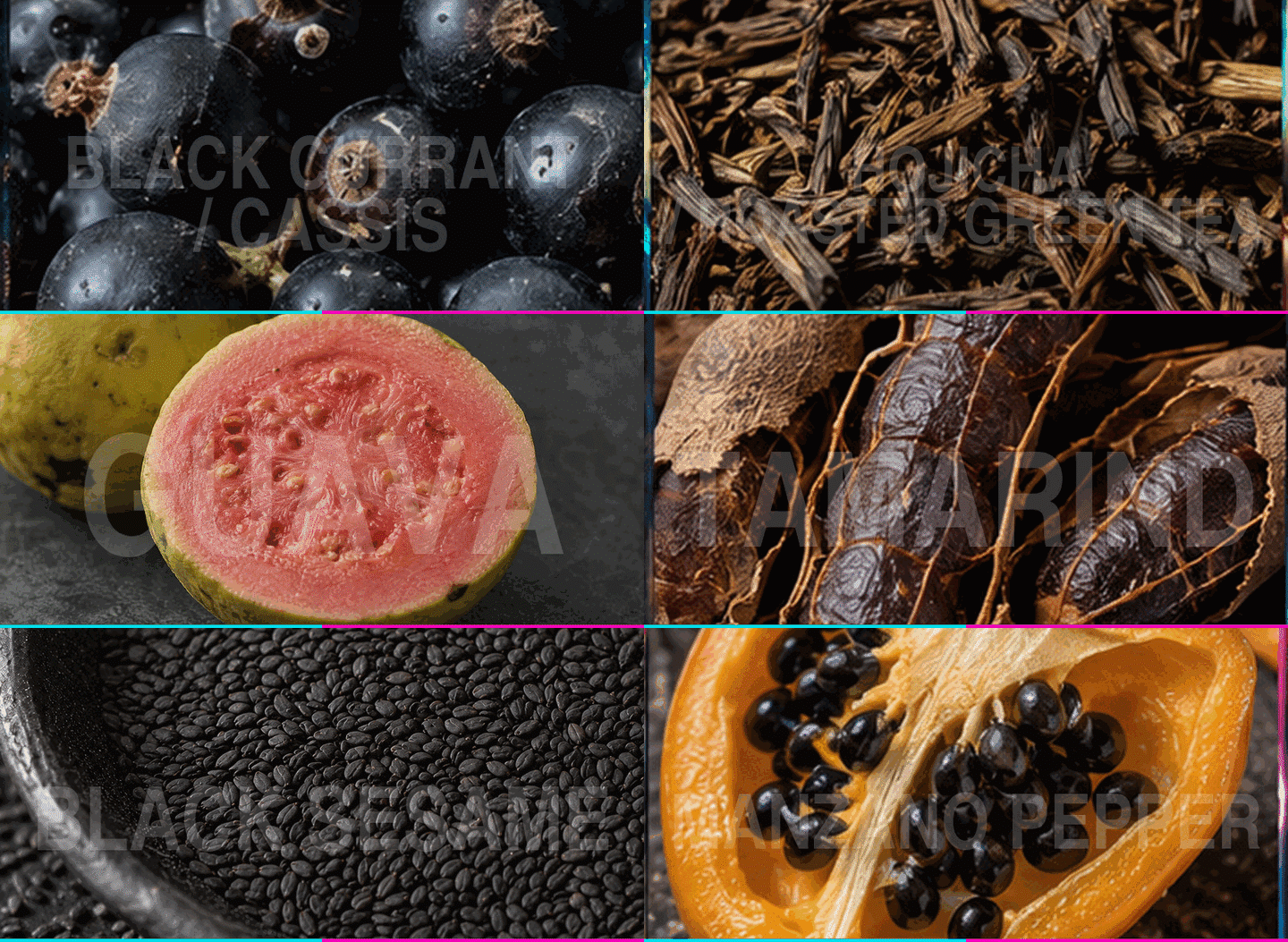
The flavour landscape entering 2026–2027 is being shaped less by isolated novelty than by changes in how familiar and culturally rooted ingredients are being used. Black currant/cassis, roasted banana, hojicha, calamansi, guava, tamarind, pandan, black sesame, Camu Camu and Manzano pepper each show credible potential across beverage, café, dairy, bakery, confectionery, functional and savoury development. Together, they reflect broader movements toward global flavour transfer, stronger sensory contrast, premium roasted and dark-fruit profiles, functional positioning and more distinctive expressions of acidity and heat.
This interactive atlas treats each flavour as a development platform rather than simply another name in a ranking. Readers can explore ten flavour-specific animated artworks, filter opportunities by sensory family and application, and use the Development Route Finder to match a product format with its desired sensory objective and market posture. Each result provides a concept direction, pairing strategy, organoleptic rationale and critical formulation risk, while every entry connects to a complete scientific, sensory and artistic Flavour Pulse.
 Interactive flavour atlas · 2026–2027
2026–2027 · evidence-led opportunity ranking
Top 10 emergingflavour trends.
The next wave of flavour is not defined by novelty alone. It is being shaped by cultural transfer, café and beverage experimentation, better-for-you repositioning and a renewed appetite for roast, acid, aromatic fruit and controlled heat.
From cassis and roasted banana to Camu Camu and Manzano pepper, these ten platforms show credible momentum across North American product development. The ranking weighs commercial trajectory, sensory distinctiveness, cross-category fit and the technical work required to make each flavour succeed.
What earns a place
Emergence is a change in role—not merely a new name.
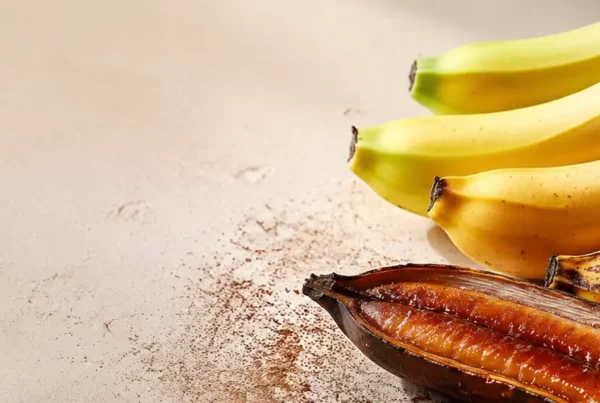
Banana becomes newly relevant when roasting, cereal and cream move it into café and protein formats. Black sesame changes when roast state, graphite colour and rich seed texture create a striking drink or dessert platform. Across all ten entries, the signal is the same: a culturally grounded flavour is acquiring new formats, new audiences and a commercially useful sensory job.
The opportunity atlas
Choose a flavour. Disturb its field.
Tap any artwork to excite it. Filter the atlas, or use the development route finder to identify the strongest flavours for a format, sensory objective and acceptable level of market risk.
Development route finder
What should the flavour do?
Choose the product, the sensory job and how far the concept can move from familiar. The atlas will rank three credible routes—not merely repeat two flavour descriptions.
Black Currant
Cassis · prestige dark berryEuropean familiarity becomes a North American premiumisation platform: dark fruit, sharp acid and leafy depth in one recognisable system.
McCormick selected black currant as its 2026 Flavor of the Year, while dark-fruit forecasts are moving cassis beyond seasonal berry into premium, year-round beverage territory.
Commercial, sensory + R&D read
Functional soda, sparkling tea, dairy, bakery, sauces and adult-style drinks.
Vanilla softens the acid; hibiscus amplifies colour; bergamot, citrus and dark cocoa add range.
Calibrate catty-green character and tannin; validate anthocyanin colour under pH, heat and light.
Banana
Roasted · bakery · caféA universal fruit earns a new job in coffee, matcha, chai and protein by shifting from bright ester to cream, cereal and controlled browning.
Restaurant beverage tracking has flagged banana as a fast-growing ingredient flavour, while café launches with matcha, latte and chai show a shift from fruit novelty to format transformation.
Commercial, sensory + R&D read
Coffee, matcha, chai, RTD protein, dairy, frozen dessert and modern bakery.
Cereal, cream, vanilla, praline and brown butter turn familiar banana into a more adult profile.
Prevent candy-like isoamyl acetate dominance; validate ripeness balance, oxidation and heat stability.
Hojicha
Roasted green teaA roasted tea bridge between matcha ritual, coffee depth and brown-note indulgence—softer, toastier and naturally dairy-compatible.
Search and café activity show roasted tea migrating from a Japanese staple into lattes, desserts, RTD beverages and low-sugar indulgence where matcha can read too grassy.
Commercial, sensory + R&D read
Lattes, RTD tea and coffee, protein drinks, ice cream, bakery and no/low-inspired formats.
Vanilla rounds the roast; citrus creates lift; black sesame, caramel and dairy deepen the toasted core.
Manage roast intensity, astringency, sediment and the expectation created by its naturally brown colour.
Calamansi
Philippine citrusLime-like attack, mandarin roundness and fragrant green peel make familiar citrus feel more crafted without losing refreshment.
Southeast Asian flavour transfer and functional-beverage experimentation are giving calamansi a credible route into mainstream refreshment without reducing it to another lime variant.
Commercial, sensory + R&D read
Hydration, soda, energy, tea, cocktails, confectionery, dressings and sauces.
Mandarin improves recognition; guava adds body; ginger, honey and green tea sharpen its botanical edge.
Balance peel bitterness and acid–sweetener tension; control oxidation, aroma loss and surface oil ring.
Guava
Pink · white · aromatic tropicalA tropical fruit with more aromatic identity than generic mango or pineapple: soft acidity, floral musk and a pear–strawberry bridge.
Growing tropical acceptance plus guava–calamansi and guava–ginger functional routes position the fruit as an acid-bright, aromatic alternative to familiar mango and pineapple.
Commercial, sensory + R&D read
Hydration, soda, energy, dairy, frozen dessert, confectionery, sauces and mocktails.
Calamansi and ginger add definition; hibiscus, chile and cream reveal brighter, hotter or softer routes.
Balance authentic musk and sulfur without erasing identity; keep pink colour proportional to flavour strength.
Tamarind
Dark fruit · tartaric tensionA culturally established souring ingredient becomes a cross-category platform linking soda, candy, sauces, snacks and adult beverages.
Global soda, alcohol and chile–salt confectionery routes are converging around tamarind’s unusually broad sweet–sour–savoury capability.
Commercial, sensory + R&D read
Soda, energy, mocktails, spicy confectionery, sauces, seasonings and fruit-heat systems.
Chile–lime, ginger, cola spice, salt and dark fruit articulate different points in its sweet–sour spectrum.
Build pulp-like body as well as acid; manage dark colour, sediment and astringent finish.
Pandan
Fragrant leafGreen aromatic identity meets vanilla familiarity, coconut-rice comfort and Southeast Asian café and dessert culture.
Search, café and bakery signals show pandan travelling beyond regional desserts into lattes, matcha, frozen formats and contemporary pastry.
Commercial, sensory + R&D read
Coffee, tea, milk drinks, bakery, custards, frozen dessert and confectionery.
Coconut, vanilla and rice make a familiar bridge; coffee and caramelized dairy create a café direction.
Keep pandan fragrant and creamy—not grassy, soapy or chemically vanilla-like—and protect its delicate top notes.
Black Sesame
Roasted seed · graphite bodyA visually disruptive flavour system where hull, roast, particle size and oil release shape earth, nut, cereal, coffee and bitterness.
Black sesame is migrating through lattes, matcha, cheesecake, ice cream and bakery, combining recognisable roasted comfort with a high-impact graphite appearance.
Commercial, sensory + R&D read
Lattes, protein drinks, ice cream, bakery, chocolate, bars and savoury systems.
Vanilla, yuzu or cassis add contrast; coffee, hojicha, cocoa, sea salt and miso deepen the roast.
Separate seed colour from roast state; manage bitterness, grit, sediment and oiling-off.
Camu Camu
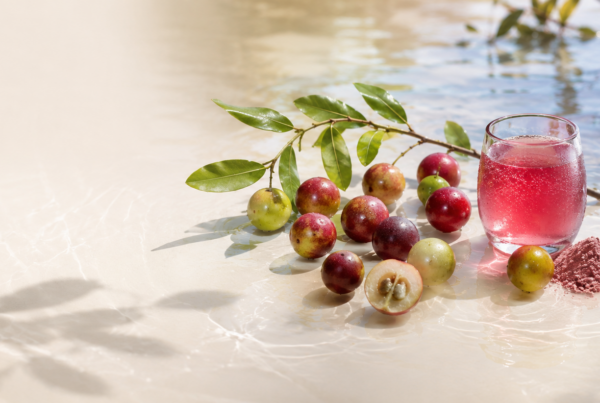
Amazonian acid architectureA high-acid superfruit cue whose functional halo opens the door—but whose true flavour requires careful bitter, astringent and aromatic control.
Vitamin-C awareness creates immediate permission, but the larger opportunity is translating Camu Camu into a distinctive sour botanical flavour for modern functional products.
Commercial, sensory + R&D read
Functional shots, hydration, sparkling drinks, smoothies, gummies, powders and frozen desserts.
Berry, calamansi, guava, ginger and tropical fruit translate its severe acidity into more legible flavour routes.
The health halo is not the flavour: manage harsh acid, peel bitterness, astringency, active stability and claims.
Manzano
Rocoto · fruity green heatApple-shaped, thick-fleshed and cucumber-green before a clean building heat: a distinctive Capsicum system, not another jalapeño substitute.
A 2026 supplier launch signal and demand for more differentiated fruity heat give Manzano a path from Andean cultivar to North American product-development tool.
Commercial, sensory + R&D read
Seasonings, sauces, snacks, proteins, fruit systems, cocktails and selected confectionery.
Green apple, pineapple, lime, mandarin, honey, cucumber and tomatillo reveal its fruity-green identity.
Design the heat curve—not only intensity—and prevent the profile collapsing into generic apple–jalapeño.
Method, evidence and what the scores mean Compact by design
The scores are directional opportunity priorities—not market-share forecasts. They combine trajectory, cross-category translation, sensory usefulness, cultural depth and development friction. A familiar flavour can score highly when its format and role are changing.
Each individual Flavour Pulse contains its own launch evidence, organoleptic model, formulation tools and source ledger. Use the ten report links above for the complete research rather than forcing hundreds of references into this overview.